Asia Garment Hub
Resources: Circularity, Green Chemistry & Biogas in Textiles
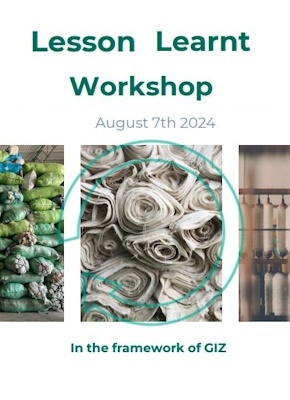
Sustainable Textiles: Lessons Learned & Success of Pilot Implementation
This workshop summary shares lessons from GIZ FABRIC’s pilot to improve textile waste disposal, divert waste for recycling, and reduce environmental impacts in Cambodia. It highlights best practices from three factories, testimonials from brands and recyclers, and recommendations for scaling closed-loop textile recycling.

Cost-Benefit Analysis of Green Chemistry
This study challenges the perception that greener chemistry is more expensive, analysing process costs alongside resource use, waste reduction and efficiency gains. It provides clear guidance for calculating costs and highlights the economic and environmental benefits of adopting sustainable chemical practices in textile production.
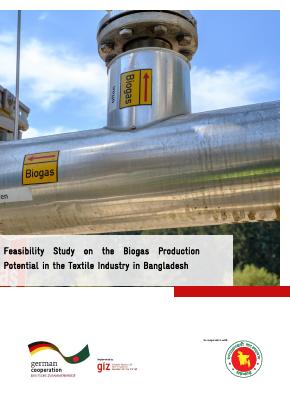
Feasibility Study on the Biogas Production Potential in the Textile Industry in Bangladesh
This study evaluates biogas production as a sustainable solution for Bangladesh’s textile sector, showing its potential to reduce greenhouse gas emissions, improve waste management and generate renewable energy. It outlines technical feasibility, economic viability and recommendations for scaling adoption through partnerships and regulatory support.