Asia Garment Hub
Resources: The Future of Work and Gender Equality in Fashion

Working Paper: The future of work in textiles, clothing, leather and footwear
Discover how global trends are reshaping the textiles, clothing, leather and footwear (TCLF) industries. This working paper examines the impact of technology, climate change, globalisation and shifting demographics on decent work and explores how different countries are responding. It calls for action to ensure a fair and sustainable future for SMEs and the millions of workers – mostly young women – who produce the clothes, shoes and accessories we all wear.

ILO Fact Sheet: Future of Work in Textiles and Clothing
Vietnam is one of the world’s largest garment exporters, with textiles and clothing driving economic growth and job creation. An ILO project, funded by the Netherlands and Japan, supports the Government and social partners in aligning skills development with future sector needs, advancing decent work and productivity in line with Vietnam’s 2030 development strategy and 2035 vision.
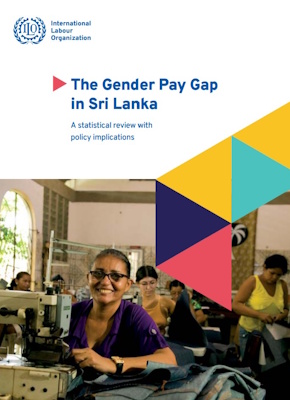
The Gender Pay Gap in Sri Lanka: A Statistical Review
This report provides a detailed analysis of gender pay disparities in Sri Lanka between 2013 and 2021, with a focus on the year 2019. It examines the scale and drivers of the gender pay gap, combining quantitative analysis of labour force data with qualitative insights from national stakeholders. The findings highlight both structural inequalities and policy gaps, offering recommendations to reduce wage inequality, promote female empowerment and build a more inclusive and equitable labour market.
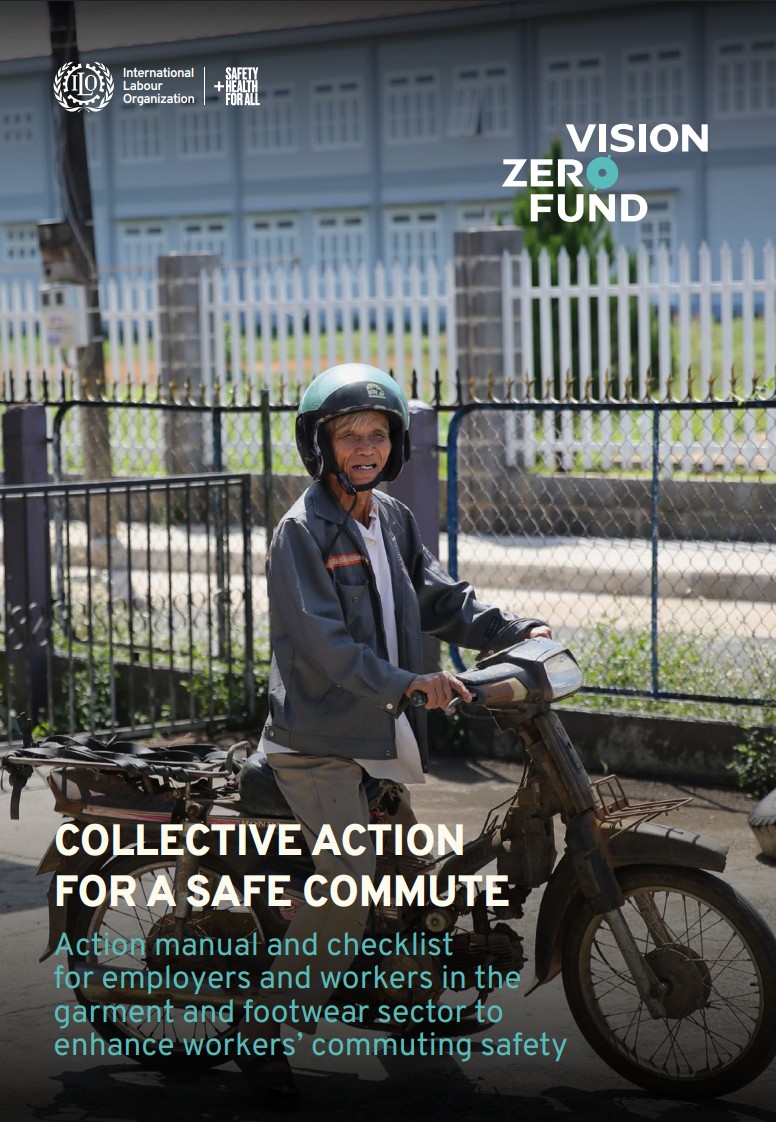
Collective Action for a Safe Commute
This action manual and checklist supports employers, workers and stakeholders in the garment and footwear sector to improve commuting safety. It provides practical tools to identify risks, prioritise actions and promote collaboration among businesses, governments, brands and worker organisations to create safer journeys for employees.
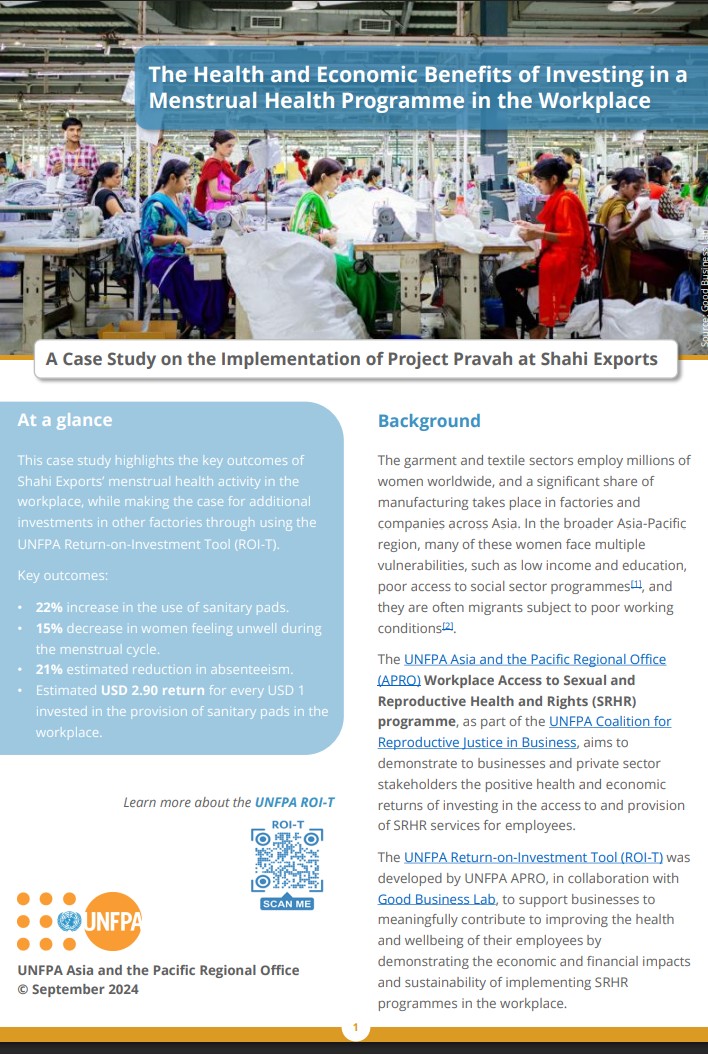
A Case Study on the Implementation of a Menstrual Health Intervention in the Workplace
This case study, developed by UNFPA in collaboration with Good Business Lab, examines the outcomes of Shahi Exports’ workplace menstrual health initiative. It demonstrates how improved access to menstrual products and information can deliver health benefits for female workers and measurable productivity gains for employers. Key results include increased use of sanitary pads, reduced discomfort and absenteeism, and a positive return on investment, making a strong business case for wider adoption of similar interventions.