For years, brands have been taught to ask one question:
"Can you recommend a factory?"
It's a reasonable question. It's also often the wrong one.
When people think about manufacturing, they imagine a single building where raw materials enter one end and finished products leave the other. That model works for many industries. It doesn't describe how many of the world's most interesting products are actually made.
Especially not in India.
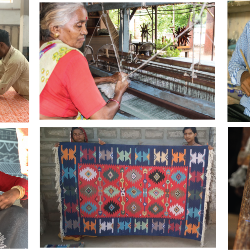
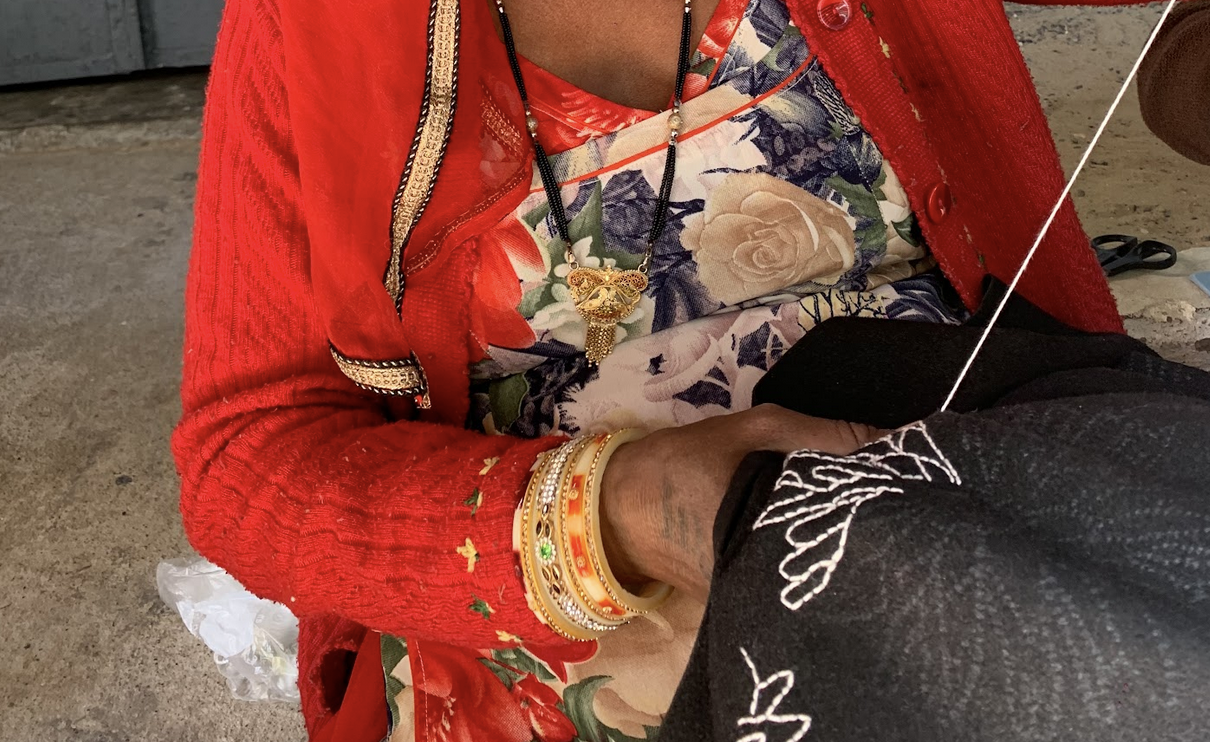
A handwoven textile may begin in one state. The yarn is dyed somewhere else. The fabric is woven by a family that has practised the craft for generations. It then travels to another workshop for embroidery, before moving to a tailoring unit, a finishing team, a quality control process, and finally packaging.
None of these people work in the same building.
Yet together, they create a single product.
The challenge isn't finding any one of these specialists. India has no shortage of extraordinary craftspeople. The challenge is connecting them in a way that feels seamless to the brand and invisible to the customer.
That's why the best production partners don't simply introduce factories. They build ecosystems.
An ecosystem is more than a supplier list. It's understanding which weaver's fabric behaves best with a particular embroidery technique. It's knowing when a block print should happen before a wash treatment, or why a certain stitch density won't survive repeated laundering. It's anticipating where delays are likely to happen and designing a production schedule around them, rather than reacting once they're unavoidable.
No single workshop holds all of that knowledge.
It exists across relationships.
As consumers become more interested in craftsmanship and provenance, brands often ask how they can work with more artisans. The better question is how they can build products that allow artisans to succeed.
Craftsmanship alone doesn't produce a commercially successful collection. Coordination does.
Behind every beautiful object is usually an invisible network of specialists, each contributing something that no one else can.
The factory was never the product.
The ecosystem was.





Comments
( 0 comment )
Please login to leave a comment.